Reimagining Care for Orthopedics Through PRISM.
When guideline-based care reaches its limits, PRISM helps reveal the deeper systems driving disease progression — giving clinicians a new path to stabilizing complex cases.
From Guidelines to Systems Thinking: Why PRISM Changes the Clinical Outcome
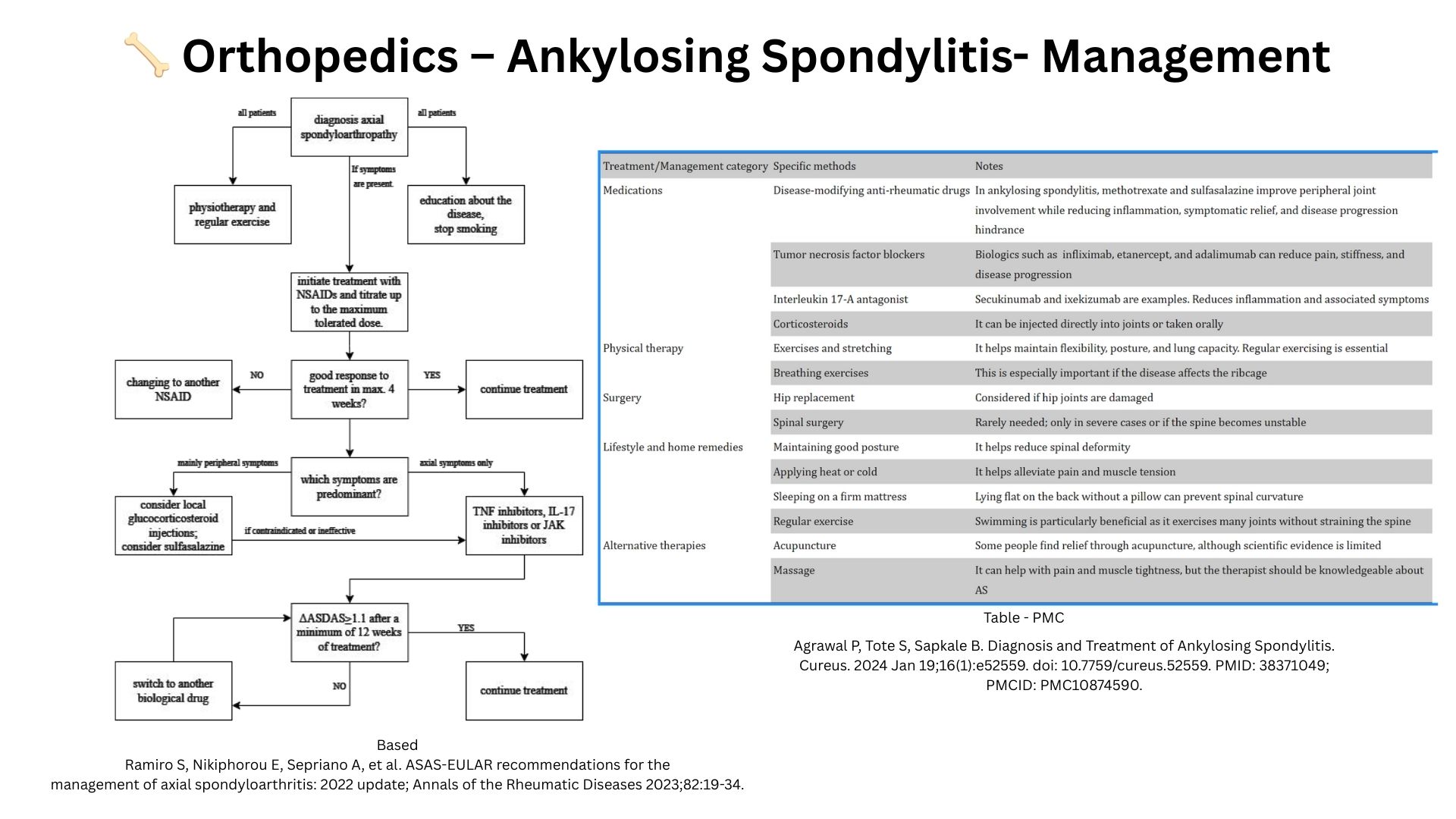
Standard Orthopedic Care Offers Clear Pathways — Until Surgery Is No Longer an Option
Traditional orthopedic management prioritizes structural correction: joint replacement, decompression surgeries, debridement, antibiotics, and physical rehabilitation. These approaches are highly effective when surgical intervention is feasible.
But a growing group of patients cannot undergo further surgery due to frailty, comorbidities, infection risk, vascular compromise, or progressive disability. For these individuals, guideline pathways reach their natural endpoint — leaving chronic pain, inflammation, and functional decline unmanaged.
In late-stage orthopedic disease, deeper systemic drivers often remain unaddressed:
- Chronic inflammatory loops sustaining joint destruction
- Microvascular compromise impairing bone and tissue healing
- Neuro-muscular dysregulation worsening gait and pain
- Immune–bone interactions affecting osteolysis and infection control
- Autonomic imbalance influencing muscle tone and recovery
- Phenotype patterns modifying disease expression and pain thresholds
These systemic contributors are beyond the scope of conventional orthopedic guidelines, which remain structure-focused rather than systems-focused.
Where Traditional Approaches Fall Short
End-stage disease not fit for surgery
Osteoarthritis, avascular necrosis, and severe deformities where surgery is unsafe or contraindicated leave patients without meaningful guideline-based options.
Progressive disability after spinal injury
When pain, weakness, and gait deterioration continue despite physiotherapy, bracing, or prior surgeries — indicating deeper neuro-muscular and autonomic drivers.
Refractory osteomyelitis
When further debridement or amputation is not possible, chronic infection and inflammation continue unchecked, affecting systemic and bone healing pathways.
PRISM: A Systems-Driven Framework for Complex Orthopedic Cases
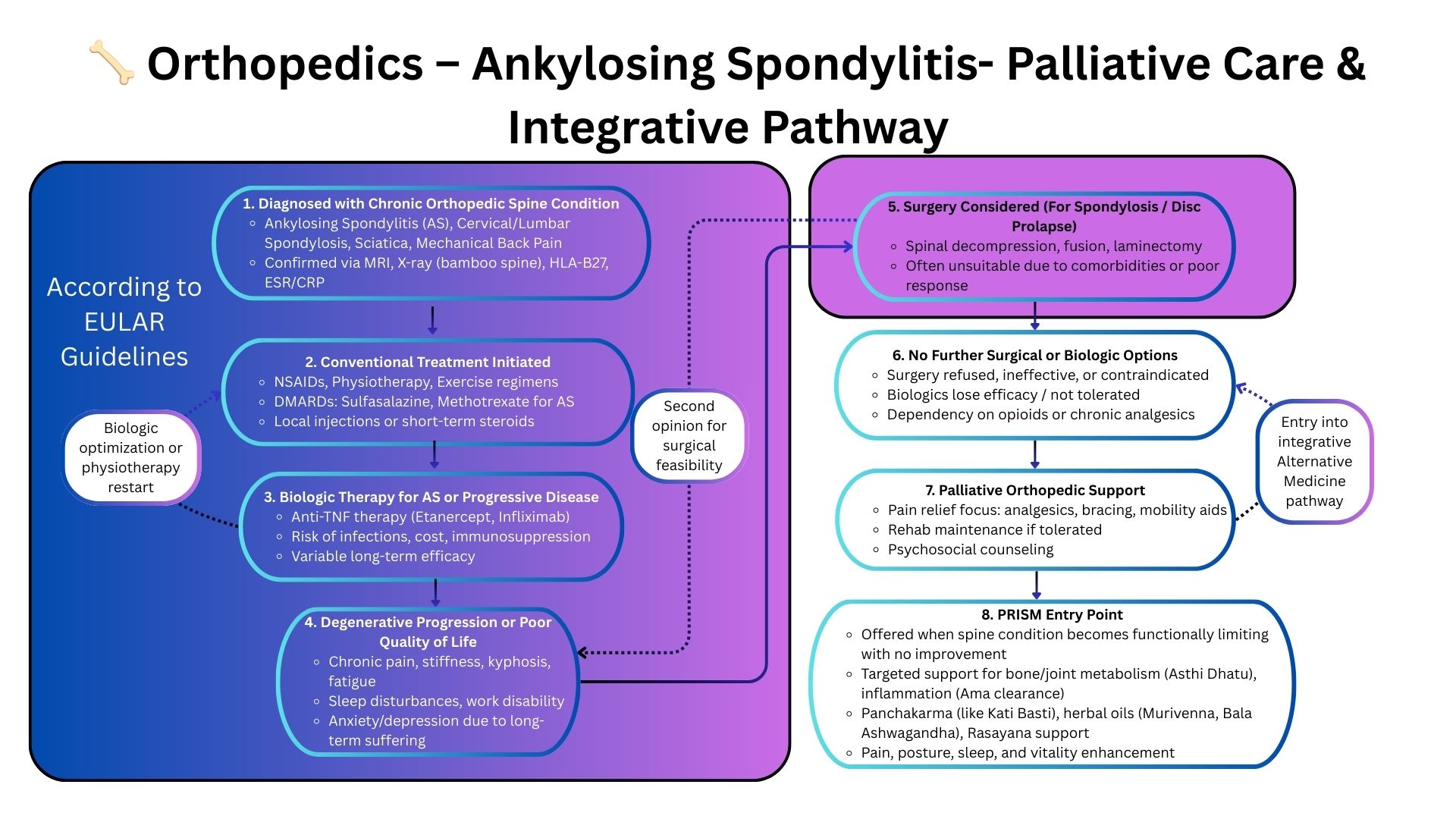
Why PRISM Works When Orthopedic Pathways End
PRISM helps clinicians identify systemic barriers to recovery in cases where structural correction is no longer possible. It maps multi-level contributors to pain, inflammation, and functional loss:
- Immune–bone interactions influencing osteolysis and infection control
- Microvascular dysfunction limiting bone and soft tissue healing
- Neuro-muscular instability driving chronic pain and postural collapse
- Metabolic stress affecting muscle recovery and fatigue
- Autonomic imbalance impacting mobility, gait, and inflammatory tone
- Phenotype-based prioritization for personalized intervention sequencing
Through this systems lens, PRISM enables stabilization, pain reduction, mobility improvement, and functional recovery even when conventional orthopedic pathways have been exhausted.