When Advanced Hematologic Disease Reaches Its Limits, PRISM Extends What’s Possible
Aligned with NCCN, ASH, and global hematology guidelines—PRISM activates only when cytopenias, relapse, or systemic decline persist despite optimized protocol-driven therapy.
Learn how PRISM supports complex hematologic conditions.
➲ Evidence-based hematology guidelines shape every decision in leukemias, lymphomas, marrow failure, and transfusion-dependent states.
➲ PRISM does not replace them. It becomes relevant only when relapse, refractory cytopenias, or progressive decline persist despite maximum recommended regimens.
➲ When clinicians consider non-transplant pathways or supportive hematology care, PRISM maps hidden systemic drivers—immune–metabolic loops, autonomic instability, and phenotype patterns—stabilizing symptoms, reducing decline, and improving resilience.
From Guidelines to Systems Thinking: Why PRISM Changes the Clinical Outcome
Guideline-Based Hematology Is Essential — But It Reaches a Ceiling in Advanced Disease
Standard hematology management is built on structured pathways: induction–consolidation–maintenance protocols, immunochemotherapy regimens, transfusion support, and transplant or CAR-T evaluation.
This works well for early and intermediate disease. But for patients with relapsed/refractory leukemias or lymphomas beyond salvage, end-stage marrow failure unsuitable for transplant, or severe transfusion dependency with progressive decline — guideline-directed care offers fewer meaningful options.
At this stage, decline is driven not only by hematologic malignancy or cytopenias, but by deeper systemic forces:
- Immune dysregulation sustaining inflammation and cytopenias
- Metabolic and mitochondrial exhaustion driving fatigue and cachexia
- Dysbiosis–immune interactions influencing marrow output
- Autonomic imbalance worsening symptoms and energy levels
- Multiorgan vulnerability from chronic transfusion overload
- Phenotype-level patterns influencing disease trajectory
These deeper mechanisms remain outside the scope of standard hematology guidelines.
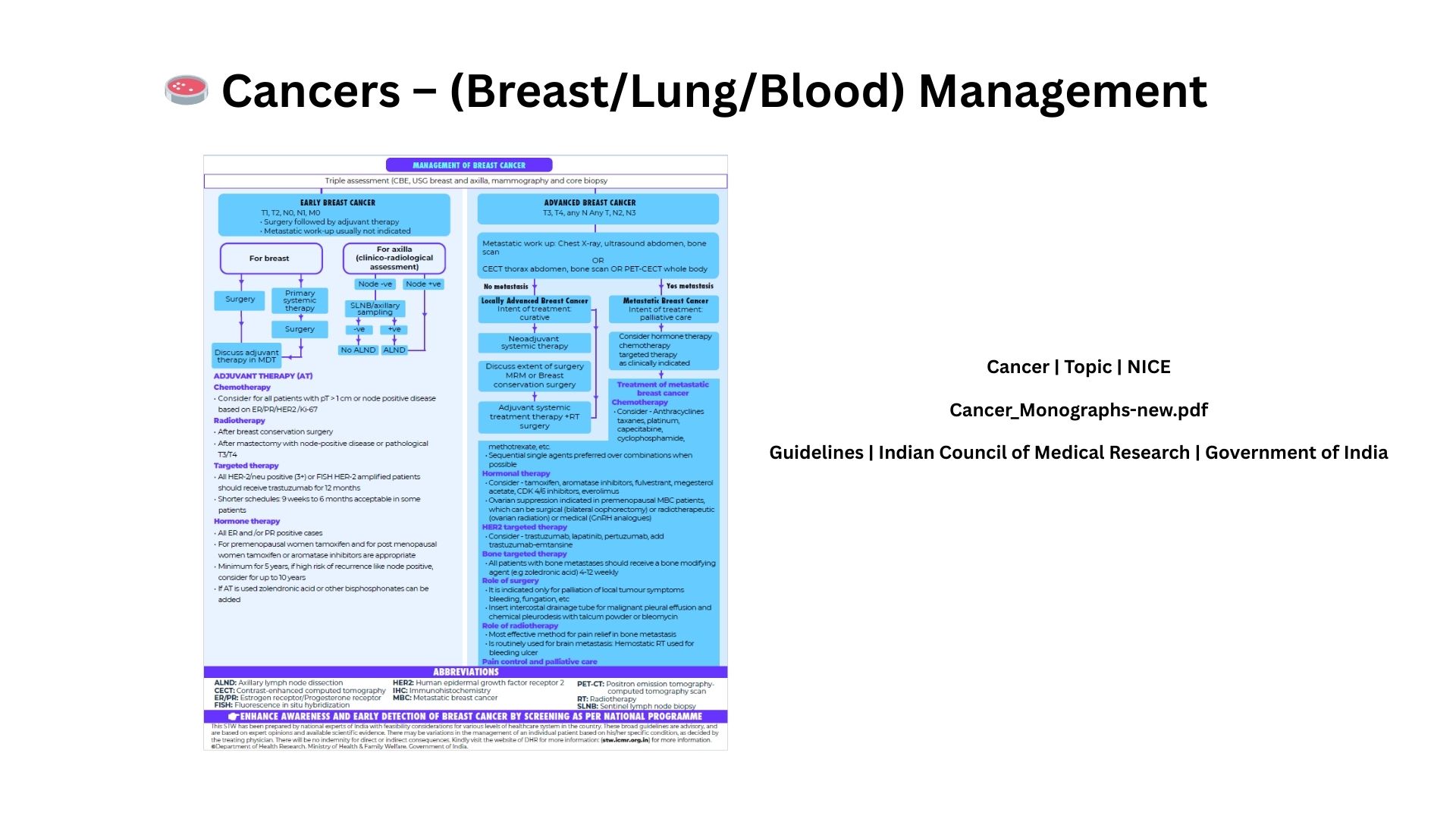
Where Traditional Hematology Pathways Fall Short
Refractory malignancy beyond salvage therapy
When leukemias or lymphomas relapse after all curative-intent regimens, guidelines offer supportive care but not systems-level stabilization.
Marrow failure not eligible for transplant
Patients experience deepening cytopenias, infections, and fatigue when transplant or CAR-T is no longer an option.
High transfusion dependency with systemic decline
Iron overload, inflammation, metabolic collapse, and organ fatigue accelerate deterioration even if transfusion support continues.
PRISM: A Systems Medicine Framework for Advanced Hematologic Disease
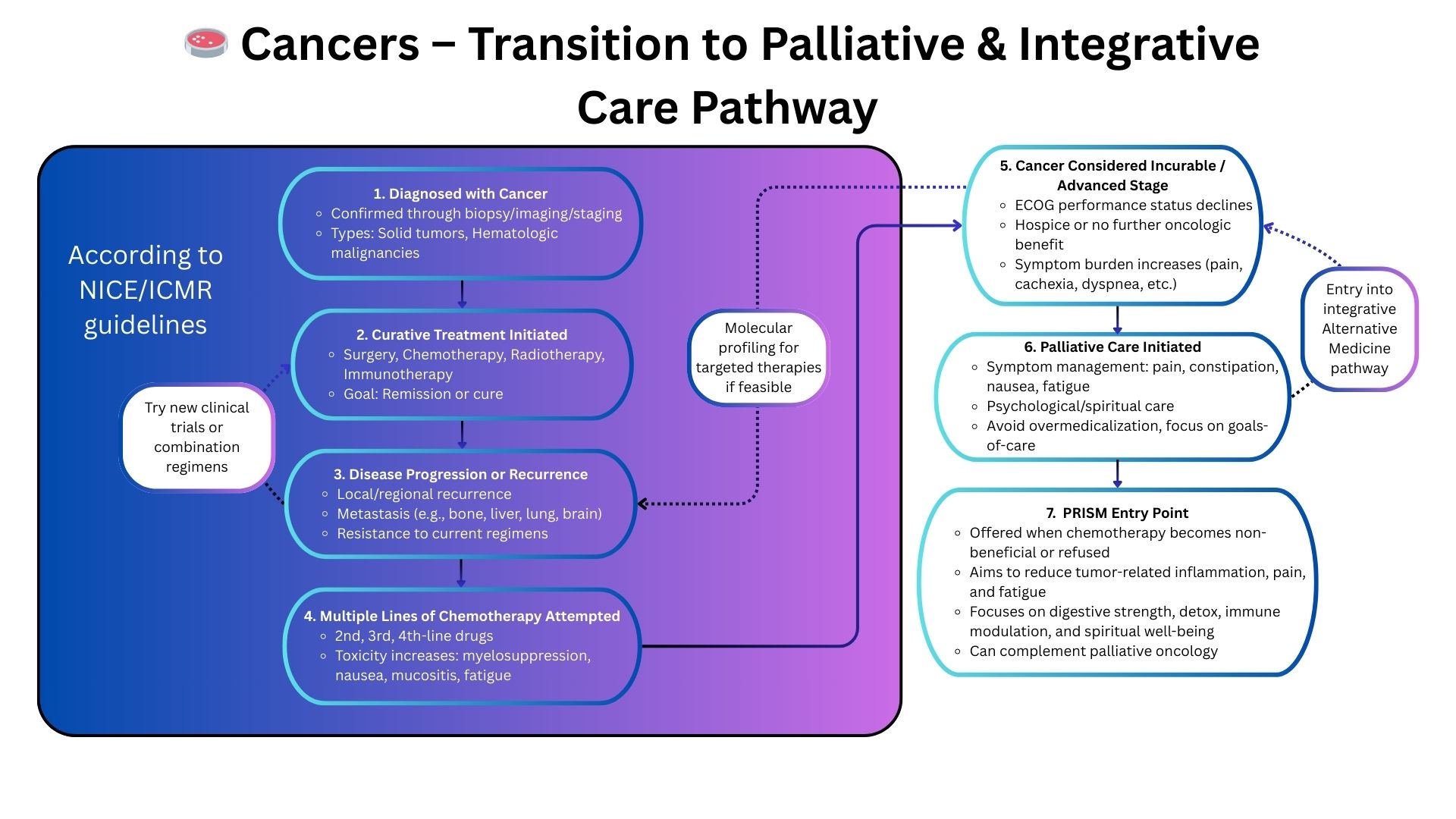
Why PRISM Works When Hematology Guidelines Have No Further Steps
PRISM evaluates what traditional oncology/hematology frameworks do not:
- Immune–metabolic loops suppressing marrow recovery
- Chronic inflammation worsening cachexia, fatigue, and cytopenias
- Microbiome-mediated effects on immune tone and marrow output
- Mitochondrial stress limiting resilience and functional capacity
- Autonomic imbalance influencing symptoms and energy cycles
- Phenotype-mapped vulnerabilities guiding personalized prioritization
By mapping systemic drivers, PRISM helps slow decline, improve energy, stabilize symptoms, reduce flare cycles, and enhance quality of life — especially in cases where transplant, salvage chemo, or curative options are no longer viable.