Autoimmunology
Understanding Autoimmune Disorders: A Guide for the Common Man
Introduction
Autoimmune disorders occur when the body’s immune system is unable to differentiate between its cells and foreign invaders, resulting in the body mistakenly attacking normal cells. Autoimmune disorders can have a significant impact on an individual’s quality of life. This article aims to provide a simple and comprehensive guide for the common man to understand autoimmune disorders, their underlying causes, symptoms and treatment options.
What are Autoimmune Disorders?
Autoimmune disorders are conditions in which your body’s immune system overreacts and attacks healthy, normal parts of the body. There are about 80 different types of autoimmune disorders that can range from mild to severe, depending on which part of the body is affected and to what extent. If left untreated, autoimmune disorders can cause tissue damage, reduced mobility, cardiovascular disease and cancer.
Types of Autoimmune Disorders

Rheumatoid arthritis
A form of arthritis in which the body’s immune system mistakenly attacks the lining of the joints called synovial fluid, causing chronic inflammation and joint pain.
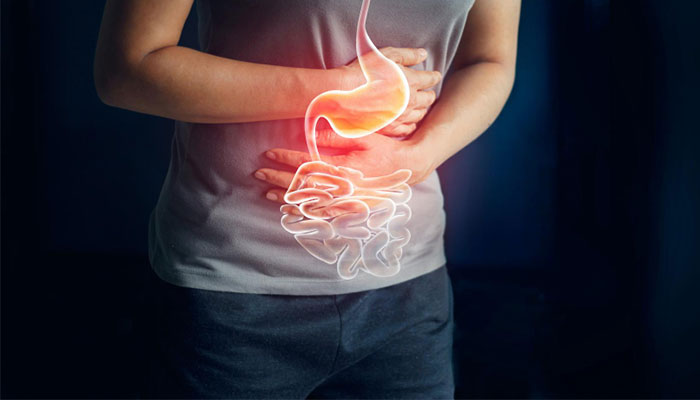
Crohn’s disease
A condition affecting the lining of the gastrointestinal tract, causing abdominal pain.

Systemic lupus erythematosus
A condition that affects areas of the body including joints, skin, brain, blood vessels, etc.

Multiple sclerosis
A form of neurodegenerative disorder affecting the myelin sheath of the central nervous system the body including joints, skin, brain, blood vessels, etc.
Symptoms of Autoimmune Disorders

Fatigue
Dealing with autoimmune disease can be exhausting. leading to fatigue and reduced energy levels.

Headache and fever
You may experience frequent episodes of headache and recurring fever due to weakened immunity.

Weight gain or loss
Frequent and noticeable changes in weight are one of the hallmark signs of autoimmune disease.

Abdominal pain
You might experience episodes of stomach pain.

Joint pain and swelling
Some individuals may develop joint pain and swelling due to damage to the synovial joint.

Skin rashes
Your skin may become dry, red and itchy.

Swollen glands
Many people with autoimmune diseases report swollen glands in various parts of the body.

Rapid or irregular heartbeat
Some individuals may develop a rapid and irregular heartbeat.

Shortness of breath
In severe cases, people with autoimmune disease might experience difficulty. breathing
Causes of Allergy-Mediated Disorders
The exact cause of autoimmune disorders is not known. The following are certain risk factors that can increase the chances of developing autoimmune conditions

Obesity.
Being obese or overweight can increase the likelihood of developing certain autoimmune disorders such as rheumatoid arthritis or psoriatic arthritis. This can be caused by increased pressure on the joints due to weight gain or the production of inflammatory.
substances by fat tissue.

Smoking
Cigarette smoking has been associated with a variety of autoimmune conditions, such as lupus, Rheumatoid Arthritis (RA) and Multiple Sclerosis (MS).

Exposure to toxins & and infections
Exposure to various toxins and infections increases the risk of developing autoimmune diseases due to alterations in the immune system.

Certain medications
Certain antibiotics, statins (to lower cholesterol), and blood pressure medications can trigger drug-induced lupus and myopathy.

Family history
Autoimmune diseases such as lupus and multiple sclerosis tend to run in families. If you have a family member with an autoimmune disease, you have an increased risk of developing the condition.

Understanding Autoimmune Disorders in Ayurveda
In Ayurveda, an autoimmune disorder is caused by an impairment of Agni (component responsible for digestive and metabolic processes) which may result in the production of endotoxins known as ‘Ama’. This Ama is composed of antigenic molecules which mimic the structure and shape of healthy tissues. When Ama comes into contact with your immune cells, it causes them to function abnormally, which can lead to autoimmune diseases.
Treatment and Management
Autoimmune disorders cannot be cured in majority of cases, but symptoms can be controlled. Managing autoimmune disorders primarily involves:
Anti-inflammatory drugs
To reduce pain and inflammation
Immunosuppre ssive drugs
To desensitize hyperactive immune system.
Physical therapy
To encourage movement of the joints.
Lifestyle changes
To reduce symptoms and improve overall health, a variety. of lifestyle modifications are essential, including stress management. proper hygiene, good nutrition, etc.
Palliative care provided by SGP’s PSA
To alleviate pain, fatigue and other symptoms associated with autoimmune diseases through medication management, physical interventions and psychological support.