Orthopedics
Understanding Bone Disorders: A Guide for the Common Man
Introduction
Bone disorders are conditions that cause the bones to be more brittle and break or deform easily. Bone disorders can significantly affect an individual’s physical, mental, and emotional well-being. This article seeks to provide a concise and comprehensive overview of bone disorders, the underlying causes, the symptoms associated with them, and the available treatments.
What are Bone Disorders?
Bone disorders encompass a wide range of conditions that affect the structure, strength, and function of the bones. These conditions can result from various factors, including genetics, aging, trauma, and underlying health issues. A few degenerative bone disorders, including lumbar and cervical spondylosis, can damage the spine, namely the vertebrae in the lower back (lumbar) and the neck (cervical). This degeneration is characterized by wear and tear of the spinal discs and joints, resulting in discomfort, stiffness, and decreased mobility. Understanding and managing bone disorders is crucial for maintaining overall health and quality of life, often involving a multidisciplinary approach that includes medical, dietary, and lifestyle interventions.
Types of Bone Disorders

Ankylosing spondylitis
It is a chronic inflammatory arthritis that primarily affects the spine, causing pain, stiffness, and fusion of the spinal vertebrae.
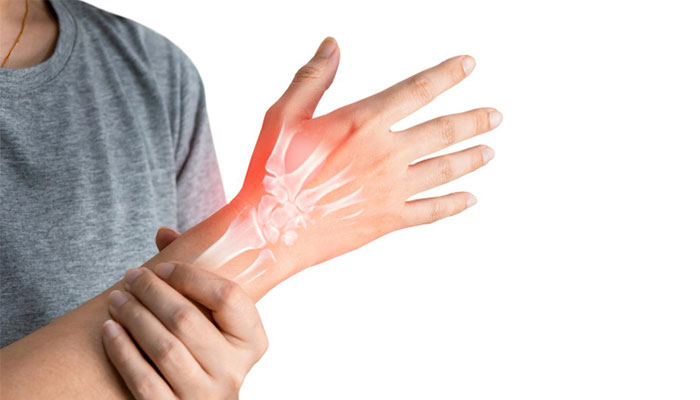
Arthritis
It is a term used for the inflammation of the joints. It encompasses various conditions characterized by joint pain, swelling, and stiffness

Soft tissue injuries
It refers to damage or trauma to muscles, tendons, ligaments, and other non-bone tissues in the body.
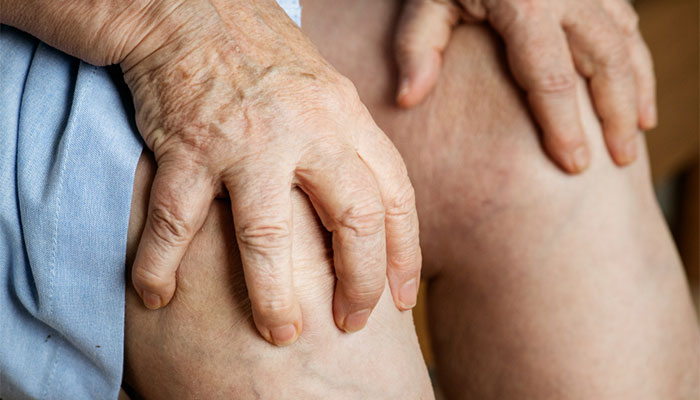
Gout
It is a type of inflammatory arthritis caused by the build-up of uric acid crystals in the joints.
Causes of Bone Disorders

Nutritional Deficiencies
Inadequate intake of essential nutrients, particularly calcium and vitamin D, can weaken bones and lead to bone disorders.

Hormonal Imbalances
Hormones play a significant role in bone health. Conditions like hyperparathyroidism, which leads to excessive parathyroid hormone production, can cause bone loss by increasing calcium levels in the blood.

Age and Aging
Aging is a natural cause of bone disorders. As people get older, bone density tends to decrease, making bones more susceptible to fractures and bone disorders.

Underlying Medical Conditions
Certain diseases can directly or indirectly affect bone health.
Physical Inactivity
Lack of weight-bearing exercise and physical inactivity can lead to reduced bone density and muscle strength.

Environmental Factors
Exposure to environmental toxins, such as heavy metals, can lead to bone disorders. Lead exposure, for example, can affect bone development, especially in children.

Genetic Factors
Many bone disorders are inherited and result from genetic mutations or abnormalities in a person’s DNA.
Common Symptoms of Bone Disorders
Pain
Pain is a prevalent symptom in many bone disorders. It can range from mild discomfort to severe, debilitating pain.

Bone Tenderness
Affected bones may be tender to the touch. This tenderness can be localized to a specific area and often accompanies pain.
Fractures
Frequent fractures, especially in the absence of significant trauma, may be indicative of an underlying bone disorder.
Joint Problems
Bone and joint disorders often affect the joints and cause joint pain and deformities.
Bone Density Changes
Decreased bone density is a hallmark of many bone disorders.

Fatigue
Chronic pain and the body’s efforts to repair damaged bone can lead to fatigue in individuals with bone disorders.

Limited Mobility
Pain, joint problems, and fractures can significantly limit a person’s mobility.

Understanding Bone Disorders in Ayurveda
In Ayurveda, bone disorders are often attributed to an imbalance in the body’s doshas (Vata, Pitta, and Kapha), affecting bone and joint health. Vata imbalance can lead to conditions like arthritis and gout. Poor diet, inadequate digestion, and toxins (Ama) also play a role in bone disorders.
Nonsteroidal anti-inflammatory drugs (NSAIDs)
These medications help reduce pain, inflammation, and stiffness.
Disease-modifying antirheumatic drugs (DMARDs)
DMARDs may be prescribed to control inflammation and modify the disease course.
Biologic agents
Tumor necrosis factor (TNF) inhibitors can be used for more severe cases to target specific immune system molecules involved in inflammation.
Physical therapy
Specific exercises and stretching routines can help improve posture, maintain mobility, and reduce pain and stiffness.
Assistive devices
Orthoses, such as lumbar supports or shoe inserts, may be recommended to provide stability, correct posture, and relieve pressure on the joints.
Surgery
In severe cases where there is severe joint damage or complications like spinal cord compression, surgery may be considered to correct deformities or improve mobility.
Lifestyle Changes
Practicing weight-bearing exercises, managing stress, and maintaining good hygiene, can help alleviate symptoms and improve your overall well-being.
Palliative Care provided by SGP’s PRISM
Aims to improve the overall quality of life for individuals with bone disorders by addressing their physical, emotional, and social well-being throughout the disease progression. It works in conjunction with other treatment options to ensure a comprehensive approach to symptom management and comfort.