Allergology & Immunology
Understanding Allergy-Mediated Disorders: A Guide for the Common Man
Introduction
Allergy-mediated disorders encompass the treatment of immune-related disorders. These disorders range in severity from very common to very rare in individuals of all ages and involve various organ systems. This article aims to provide a simple and comprehensive guide for the common man to understand allergy-mediated disorders, their causes, symptoms, and available treatments.
What are
Allergy-Mediated Disorders?
Allergy-mediated disorders encompass a broad spectrum of conditions triggered by the body’s immune response to typically harmless substances. Allergens such as pollen, dust mites, foods, and pet dander can provoke exaggerated immune reactions, leading to various symptoms. Common manifestations include hay fever, asthma, eczema, and anaphylaxis, with symptoms ranging from sneezing and itching to severe respiratory distress.
These disorders arise from an individual’s genetic predisposition and environmental factors. Identifying specific allergens through tests like skin prick tests or blood tests are crucial for managing and mitigating these disorders, often through allergen avoidance, medications, or immunotherapy.
Types of Allergy-mediated Disorders

Allergic Rhinitis
It is commonly known as Hay Fever and is an allergic disorder characterized by inflammation of the nasal passages.

Atopic Dermatitis
It is also referred to as Eczema, a chronic skin condition characterized by red, itchy, and inflamed patches on the skin.

Asthma
It is a chronic respiratory condition that affects the airways, causing them to become inflamed and narrow.
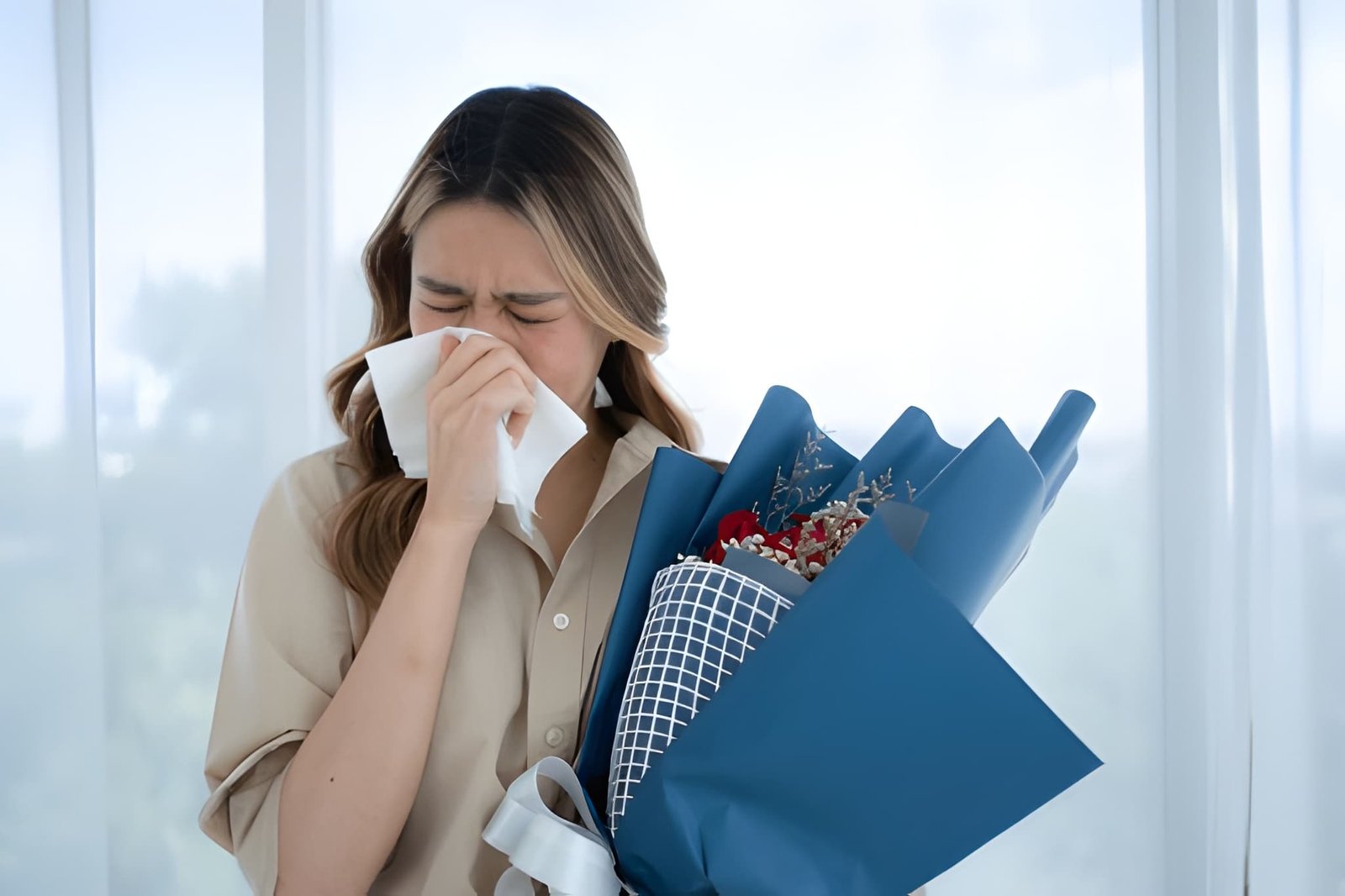
Pollen Allergy
Pollen allergy, commonly known as Allergic Rhinitis, affects millions with symptoms like sneezing, runny nose, itchy eyes, and throat irritation.
Common Symptoms of Allergy-Mediated Disorders

Runny or Stuffy Nose
Allergies can cause nasal congestion or a clear, watery discharge from the nose

Sneezing
An abrupt, forceful exhalation through the nose, often triggered by allergens like pollen, dust or pet dander.

Coughing
Allergies may lead to persistent coughing, particularly in response to irritants in the air.

Wheezing
Constricted airways due to allergens can cause a high-pitched whistling sound while breathing.

Itchy, Watery Eyes
Allergic conjunctivitis can lead to intense itching, redness and excessive tearing.

Swelling
The eyelids or the skin around the eyes may swell due to an allergic reaction.

Hives
Raised, itchy welts on the skin, often with redness. These can occur in response to allergens like certain foods or insect stings.

Fatigue
Allergic reactions can lead to a general feeling of tiredness and lethargy.

Headache
Some people experience headaches as part of their allergic response.
Causes of Allergy-Mediated Disorders

Immune System Response
Allergies occur when the immune system mistakes allergens as harmful invaders.

Histamine Release
Upon re-exposure to the allergen, IgE antibodies trigger mast cells and basophils to release histamine and other chemicals. These substances cause classic allergy symptoms like itching, swelling and inflammation.

Immediate and Delayed Reactions
Allergic reactions can be immediate (IgE-mediated), occurring within minutes of exposure or delayed (T-cell-mediated), taking hours or even days to develop.

Environmental Exposures
Exposure to allergens in the environment plays a key role. Common allergens include pollen, dust mites, pet dander, mold spores and certain foods.

Occupational Allergies
Some individuals develop allergies to substances encountered in the workplace, like latex, flour or chemicals.

Genetic Predisposition
Allergies often run in families. If one or both parents have allergies, a child is more likely to develop them.

Understanding Allergy-Mediated Disorders in Ayurveda
In Ayurveda, allergy-mediated disorders are understood as a result of an imbalance in the body’s doshas (Vata, Pitta, Kapha). Allergies are believed to occur when an individual’s immune system is compromised, allowing allergens to trigger reactions. Excess Pitta dosha, often influenced by diet and lifestyle, can make individuals more susceptible to allergies. Poor digestion, toxins (Ama) accumulation and impaired immune function contribute to these disorders.
Treatment and Management
Treatment options for heart disease aim to alleviate symptoms, improve quality of life and potentially prolong survival.
Allergen Avoidance
Identify and minimize exposure to allergens that trigger your symptoms. This may include using allergen-proof covers on bedding, cleaning your home regularly, and avoiding outdoor activities during peak pollen seasons.
Over-the-counter (OTC) Medications
Antihistamines, decongestants, and nasal corticosteroid sprays can provide relief from symptoms.
Prescription Medications
If OTC medications do not provide adequate relief, your doctor may prescribe stronger antihistamines, nasal corticosteroids, or other medications to manage your symptoms.
Immunotherapy
In cases of severe or persistent allergies, allergen immunotherapy (allergy shots) may be recommended to desensitize your immune system to specific allergens.
Lifestyle Changes
Managing stress, maintaining good hygiene, and staying well-hydrated can help alleviate symptoms and improve your overall well-being.
Symptom Management
Providing relief from symptoms such as nasal congestion, itching, wheezing, or skin irritation through medications, environmental control measures, or allergen avoidance.
Emotional Support
Addressing the psychological impact of living with chronic respiratory or allergic conditions through counselling, education, and support groups.
Education and Self-Management
Empowering individuals with knowledge about their condition, proper medication use, asthma action plans, and allergen avoidance strategies to better manage their symptoms.
Quality of Life Enhancement
Promoting strategies to maintain optimal respiratory function, manage triggers, and improve overall well-being for individuals with chronic respiratory or allergic diseases.