Haematology
Blood Disorders: A Guide for the Common Man
Introduction
A blood disorder occurs when your red blood cells, white blood cells, platelets, or blood clotting proteins do not work properly. In this article, we aim to provide information on the causes of blood disorders, some types of blood disorders, and available treatments.
What are Blood Disorders?
Blood is composed of solid and liquid components. The solid component is composed of red blood cells, white blood cells, and platelets. On the other hand, the liquid component, referred to as plasma, is made up of water, salt, and protein. Blood disorders are diseases that affect the blood’s ability to function properly. There are many different types of blood disorders and symptoms vary depending on the type of blood disorder. Most blood disorders reduce the amount of blood cells, proteins, platelets, or affect their function.
These disorders arise from an individual’s genetic predisposition and environmental factors. Identifying specific allergens through tests like skin prick tests or blood tests are crucial for managing and mitigating these disorders, often through allergen avoidance, medications, or immunotherapy.
Types of Blood Disorders

Anemia
Deficiency of healthy red blood cells in the blood.

Idiopathic Thrombocytopenic Purpura (ITP)
Abnormal decrease in the number of platelets in the blood.

Leucocytosis
Elevated white blood cell count.
Common Symptoms of Blood Disorders

Tiredness
The body is deprived of oxygen due to a deficiency of red blood cells, resulting in fatigue.

Shortness of breath
Difficulty in breathing may be caused due to a deficiency in the number of red blood cells capable of transporting oxygen throughout the body.
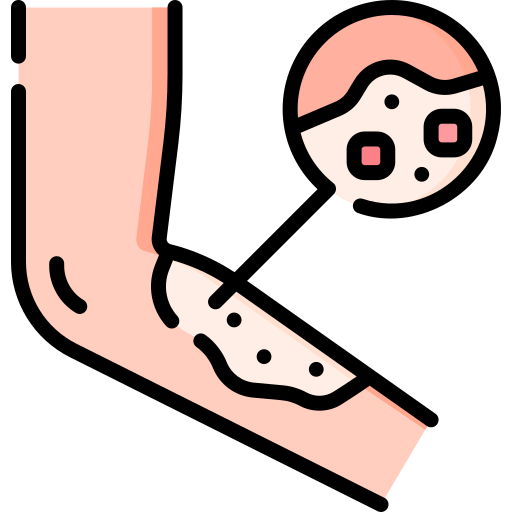
Pale skin
Paleness may be caused due to decreased blood supply to the skin.

Irregular heartbeat
Low haemoglobin levels make the heart work harder to transport oxygen, causing irregular heart rhythm.

Dizziness
Red blood cell count decreases, which limits the flow of oxygen to the rest of your body, resulting in dizziness.

Bruises
Bruising can happen for no apparent reason or even after a minor injury.

Chest pain
When your heart isn’t getting enough oxygen, it can cause chest pain.

Cold hands and feet
Iron deficiency can lead to a decrease in blood circulation throughout the body, resulting in cold hands and feet.
Causes of Blood Disorders

Medical conditions
Diseases such as chronic kidney disease, infections, cancer or rheumatoid arthritis may lead to blood disorders such as anemia or leukocytosis.

Side effects of certain medications
Certain antibiotics and anti-inflammatory drugs may cause hemolytic anemia.

Lack of certain nutrients in diet
Low red blood cell count may be caused due to deficiencies in iron, folate, vitamins B12 and A.

Genetic
Most blood disorders, such as sickle cell anemia, are caused by mutations in certain genes that can be inherited from your family.

Understanding Blood Disorders in Ayurveda
In Ayurveda, Blood is referred to as ‘Rakta’ and it classifies blood as one of the 7 Dhatu (body tissues). Blood disorders are caused by an imbalance of the doshas, particularly Pitta, due to a decrease in digestive fire, poor dietary habits, as well as physical and psychological stress. Let’s delve into this perspective
Treatment and Management
Treatment options for blood disorders aim to alleviate symptoms and improve quality of life. These can include:
Blood and platelet transfusions
Increase the amount of red blood cells in patients with severe cases of anemia. Additionally, platelet transfusions are used to address blood clotting problems.
Anticoagulants
Prevent blood from clotting.
Growth factor supplementation
Induces the bone marrow to produce additional red blood cells and white blood cells in the body.
Corticosteroids
Suppresses the immune system of the patient.
Palliative care by SGP’s PRISM aims to improve the quality of life for patients with long-term blood disorders by:
Symptom management
Providing relief from symptoms including weakness and chest pain, with medications.
Psychological support
Helping individuals cope with the emotional consequences of living with a blood disorder through counselling and support groups.
Education and self-care
Providing individuals with knowledge about their health and lifestyle changes to effectively manage their blood disorders.