Gastroenterology
A Guide for the Common Man
Introduction
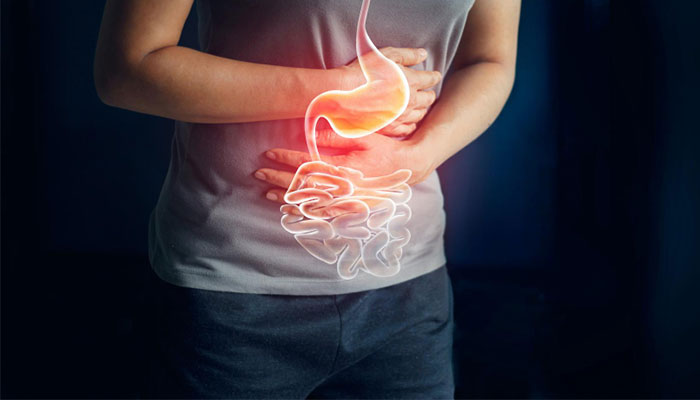
Gastrointestinal Diseases (GI) are conditions that affect the gastrointestinal tract, including the oesophagus and stomach, the small and large intestines and the rectum, as well as the accessory digestive organs such as the liver, the gallbladder, and the pancreas. The gastrointestinal tract is responsible for the breakdown of food to enable the body to absorb and direct nutrients to maintain health. Diagnosis and treatment of GI diseases can significantly affect an individual’s health and well-being. This article aims to provide an easy way to understand an overview of GI diseases, their underlying causes, symptoms and treatments for the common man.
What are Gastroenterological Diseases?
Gastrointestinal diseases are conditions that affect the digestive tract, which runs from the mouth to the anus. GI diseases are of two types: functional and structural. In functional type, the gastrointestinal tract looks normal on examination but does not function properly. Structural gastrointestinal diseases, on the other hand, are those where the bowel looks abnormal on examination and does not work properly. If GI diseases are not diagnosed and treated properly, the inflammation spreads to the deep layers of the intestine, which is fatal.
Types of Gastroenterological Diseases:

Gastroesophageal Reflux Disease (GERD)
It is a condition in which stomach acid flows back repeatedly to the ducts that connect your mouth to your stomach (the oesophagus).

Irritable Bowel Syndrome (IBS)
It is a condition that affects the digestive system characterized by abdominal discomfort associated with altered bowel movements.
Inflammatory Bowel Disease (IBD)
It is a group of disorders that causes chronic inflammation (pain and swelling) of the intestine. It includes Crohn’s disease and ulcerative colitis.

Chronic constipation
It is a condition in which bowel movements are infrequent and consist of dry, hard stools, typically less than three per week.

Peptic ulcers
It is an ulcer that develops on the lining of the stomach or the duodenum.
Common Symptoms of Gastroenterological Diseases

Stomach Ache
Frequent and uncontrollable stomach ache is one of the hallmark signs of gastroenterological diseases.

Heart Burn
Most individuals may develop heartburn due to backflow of stomach acid.

Changes in bowel habits
You might experience a change in normal bowel habits.

Bleeding in stool
Some people with gastroenterological diseases report blood on or in the stool that is either dark or bright.

Weight gain/loss
Individuals may experience changes in their weight even if they have a good appetite.

Fatigue
Your body is unable to receive enough oxygen, leading to fatigue and reduced energy levels.

Dyspepsia or indigestion
You may feel that the bowel has not emptied after passing stool.
Causes of Gastroenterological Diseases

A low-fibre diet
Consuming a high-fibre diet is essential for maintaining optimal digestive health. Insoluble fibre obstructs the passage of food through the digestive tract and does not facilitate bowel movements, causing constipation.

Drinking less water
It is important to drink plenty of water because it helps your digestive system work well. It breaks down food, helps your body absorb nutrients faster and prevents constipation. If you drink too little water, it can lead to all kinds of digestive problems.

Stress
The relationship between stress and gastrointestinal disorders is well-documented. Stress can lead to a variety of digestive symptoms, including decreased appetite, abdominal discomfort, inflammation, abdominal bloating and alterations in the intestinal microbiota.

Dairy products
Dairy products, such as milk and cheese, are rich in proteins and fats which are difficult to digest. Excess consumption of dairy products leads to gas, diarrhea, bloating and intestinal discomfort.

Lack of physical activity
It can impede the digestive tract and slow bowel function, leading to gas, bloating and constipation.

Unhealthy lifestyle
Smoking, chewing tobacco, drinking too much alcohol and eating junk food can also cause digestive problems.

Understanding Gastroenterological Diseases in Ayurveda
In Ayurveda, gastroenterological diseases are often referred to as “Agnimandya.” According to Ayurvedic principles, the development of gastroenterological diseases is attributed to an imbalance in the body’s digestive and metabolic fire, Agni leading to vitiated Pitta dosha. Pitta dosha is responsible for the control of bodily movements and digestion. In gastroenterological diseases, imbalanced Pitta may result in symptoms such as excess generation of heat in the body, indigestion, acid reflux, and gas.
Anti-inflammatory drugs
To relieve pain and inflammation
Immune system suppressors
Surgical interventions are necessary for removing tumors, as in the case of pituitary or adrenal gland tumors.
Anti-diarrheal
To minimize bowel movements and improve digestive function
Surgical therapy
Proctocolectomy is a procedure that involves the removal of the entire colon and rectum. It is performed to treat ulcerative colitis.
Lifestyle modifications
To improve symptoms and overall health, many lifestyle changes are necessary, such as managing stress, maintaining good hygiene, and consuming a balanced diet.
Palliative Care provided by SGP’s PSA
For individuals who are not eligible for surgery or prefer a non-invasive approach, it focuses on alleviating symptoms and preventing complications, emotional support, and enhancing the quality of life.