
Peptic ulcers

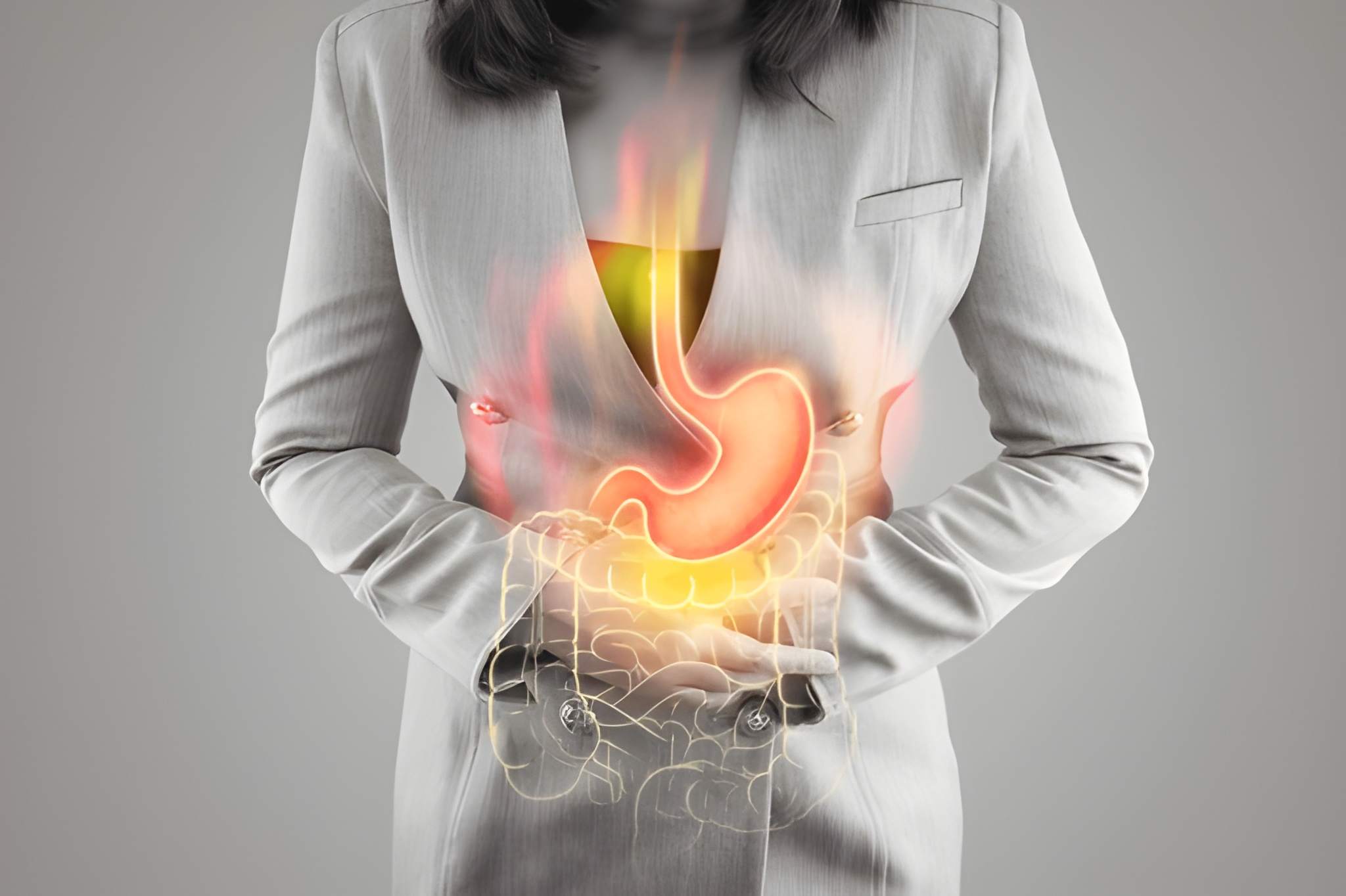
Overview
Peptic Ulcers are open sores that develop on the lining of the stomach or the upper part of the small intestine (duodenum). They occur when the protective lining of the digestive tract is damaged. The condition can cause burning abdominal pain. Symptoms may worsen when the stomach is empty. Peptic ulcers can affect individuals of any age. If untreated, ulcers may lead to serious complications such as bleeding. The severity of symptoms varies among individuals. Early detection reduces the risk of complications. Proper medical evaluation is important for accurate diagnosis.
What Happens During Allergic Rhinitis?
Damage to the stomach or duodenal lining allows digestive acids to erode the tissue. This leads to the formation of an ulcer. The exposed area becomes inflamed and painful. In severe cases, the ulcer may bleed or penetrate deeper layers of the digestive wall.
Diagnosis
Diagnosis is commonly confirmed through upper gastrointestinal endoscopy. This allows direct visualization of the ulcer. Tests may be conducted to identify underlying causes. Blood, stool, or breath tests may also be used in evaluation.