
Crohn’s disease

Overview
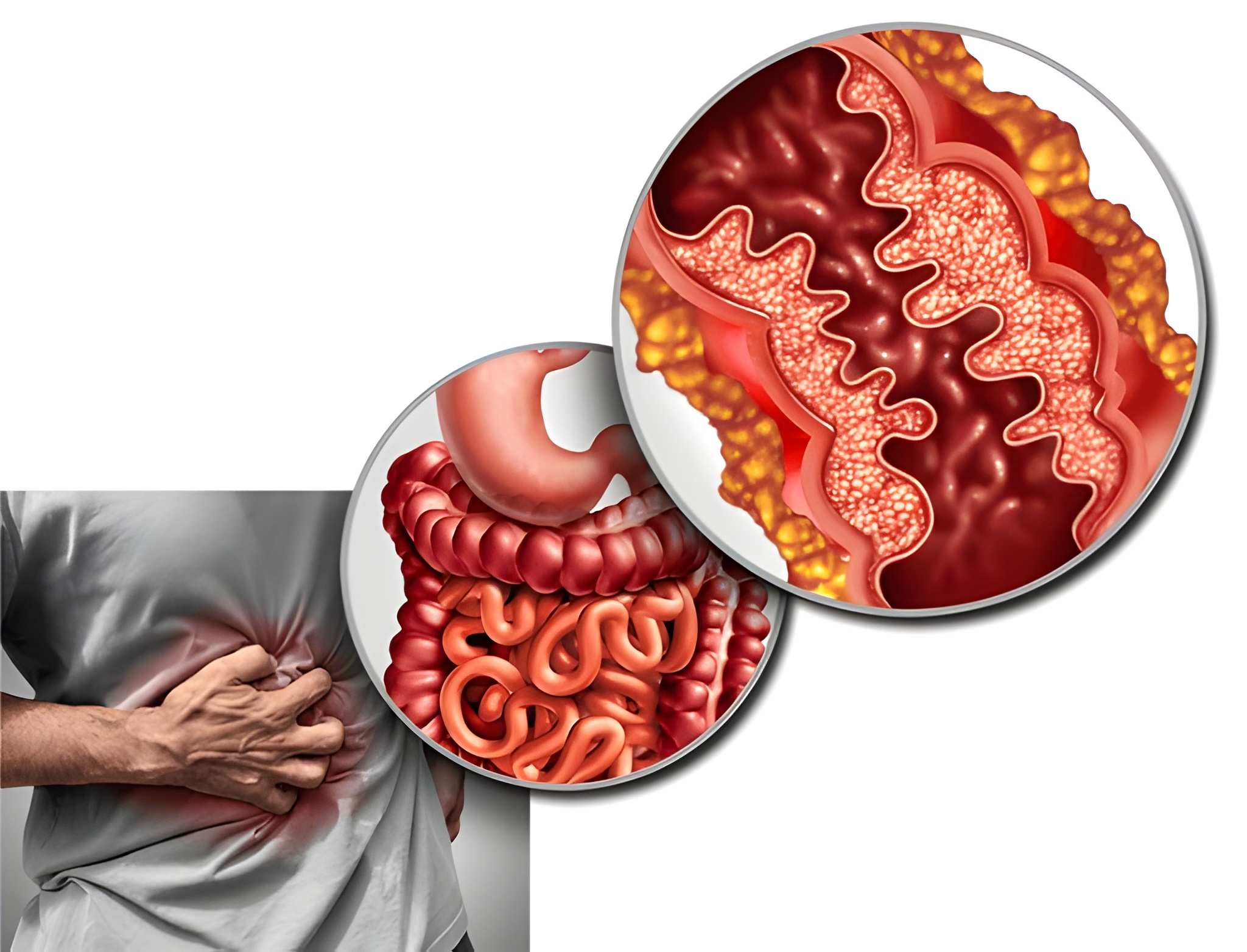
Crohn’s Disease is a chronic inflammatory bowel disease (IBD) that affects the digestive tract. It can involve any part of the gastrointestinal tract, from the mouth to the anus, but most commonly affects the small intestine and colon. The condition causes long-term inflammation of the intestinal lining. Symptoms often develop gradually and may vary in severity. Crohn’s disease follows a pattern of flare-ups and remission periods. It may affect nutrient absorption and overall digestive health. Inflammation can extend deep into the layers of the bowel tissue. The disease may lead to complications if not properly managed. It can occur at any age but is frequently diagnosed in adolescents and young adults. Crohn’s disease requires ongoing monitoring to prevent complications and maintain quality of life.
What Happens During Allergic Rhinitis?
During a flare-up, inflammation develops in segments of the digestive tract. The intestinal wall becomes swollen and thickened. Ulcers may form along the lining of the bowel. This can lead to abdominal pain, diarrhea, and fatigue. In severe cases, the inflammation may cause narrowing of the intestine or formation of fistulas. Ongoing inflammation may interfere with digestion and nutrient absorption.
Diagnosis
Diagnosis involves a combination of medical history, physical examination, and diagnostic tests. Blood tests may show signs of inflammation or anemia. Stool tests help rule out infections. Endoscopic procedures such as colonoscopy allow direct visualization of intestinal inflammation. Imaging studies like CT or MRI scans may be used to evaluate disease extent and complications.