Reimagining Care for Diabetology Through PRISM.
When guideline-based care reaches its limits, PRISM helps reveal the deeper systems driving disease progression — giving clinicians a new path to stabilizing complex cases.
Learn how PRISM supports refractory diabetes management.
➲ Evidence-based diabetes guidelines form the backbone of responsible metabolic care.
➲ PRISM never replaces these sacrosanct standards. It becomes relevant only when glycemic instability, functional decline, or multi-organ involvement persists despite optimized insulin strategies, combination therapy, and endocrine interventions.
➲ When clinicians begin discussing supportive or palliative diabetes care, PRISM uncovers systemic metabolic imbalances that can still be targeted—improving stability, resilience, and functional capacity.
From Guidelines to Systems Thinking: Why PRISM Changes the Clinical Outcome
Standard Care Provides Structure — But Only Up to a Point
Guideline-directed diabetes care focuses on glycemic targets, medication titration, insulin intensification, and complication surveillance. For many patients, this model delivers stability — but for those with advanced complications, metabolic collapse, diabetic foot, autonomic neuropathy, or multi-organ involvement, a glucose-centric approach is no longer enough.
In late-stage diabetes, the true drivers include:
- Metabolic inflexibility
- Chronic inflammation
- Autonomic imbalance
- Microvascular failure
- Immune–metabolic loops
- Phenotype patterns that shape disease expression
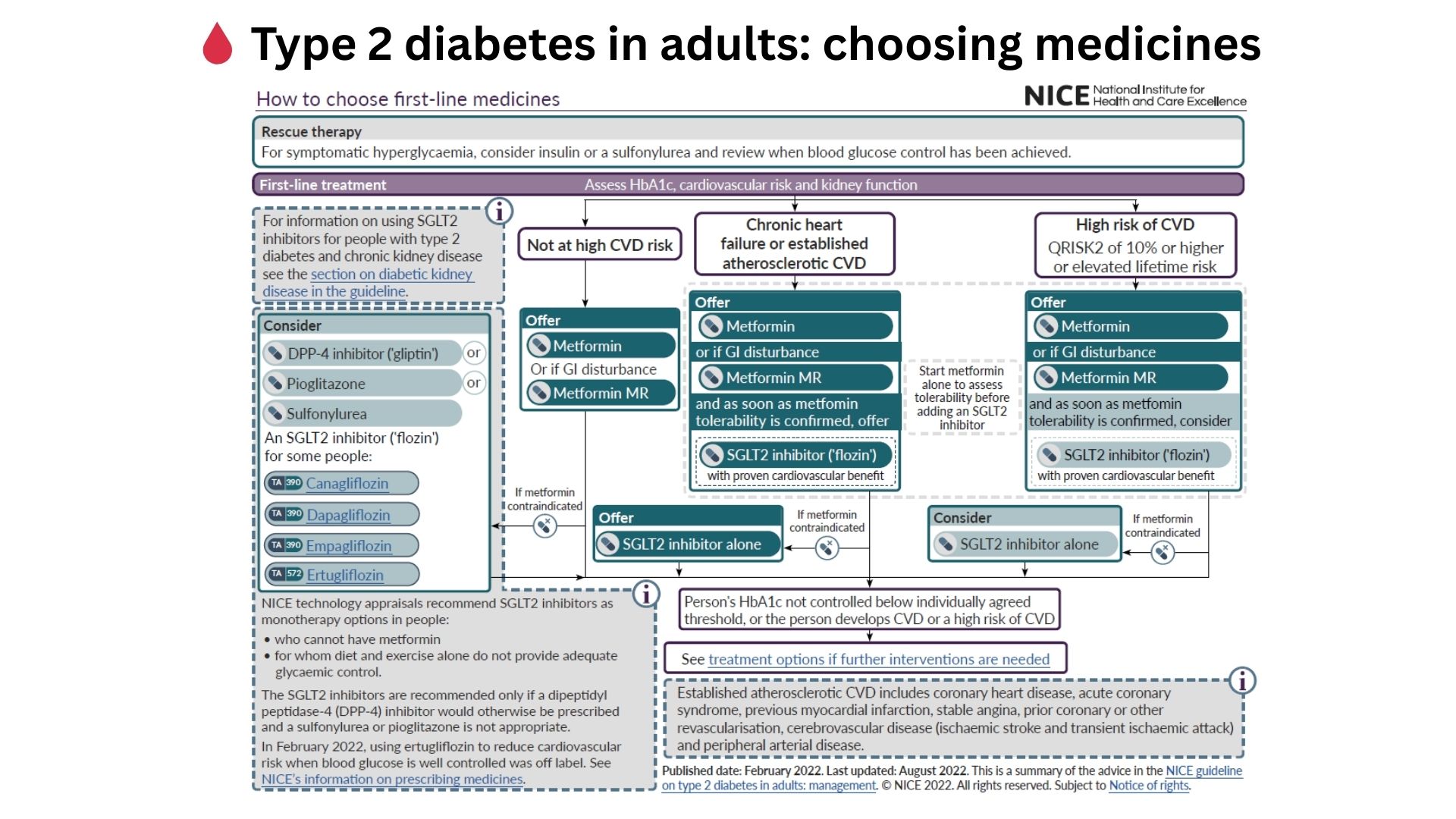
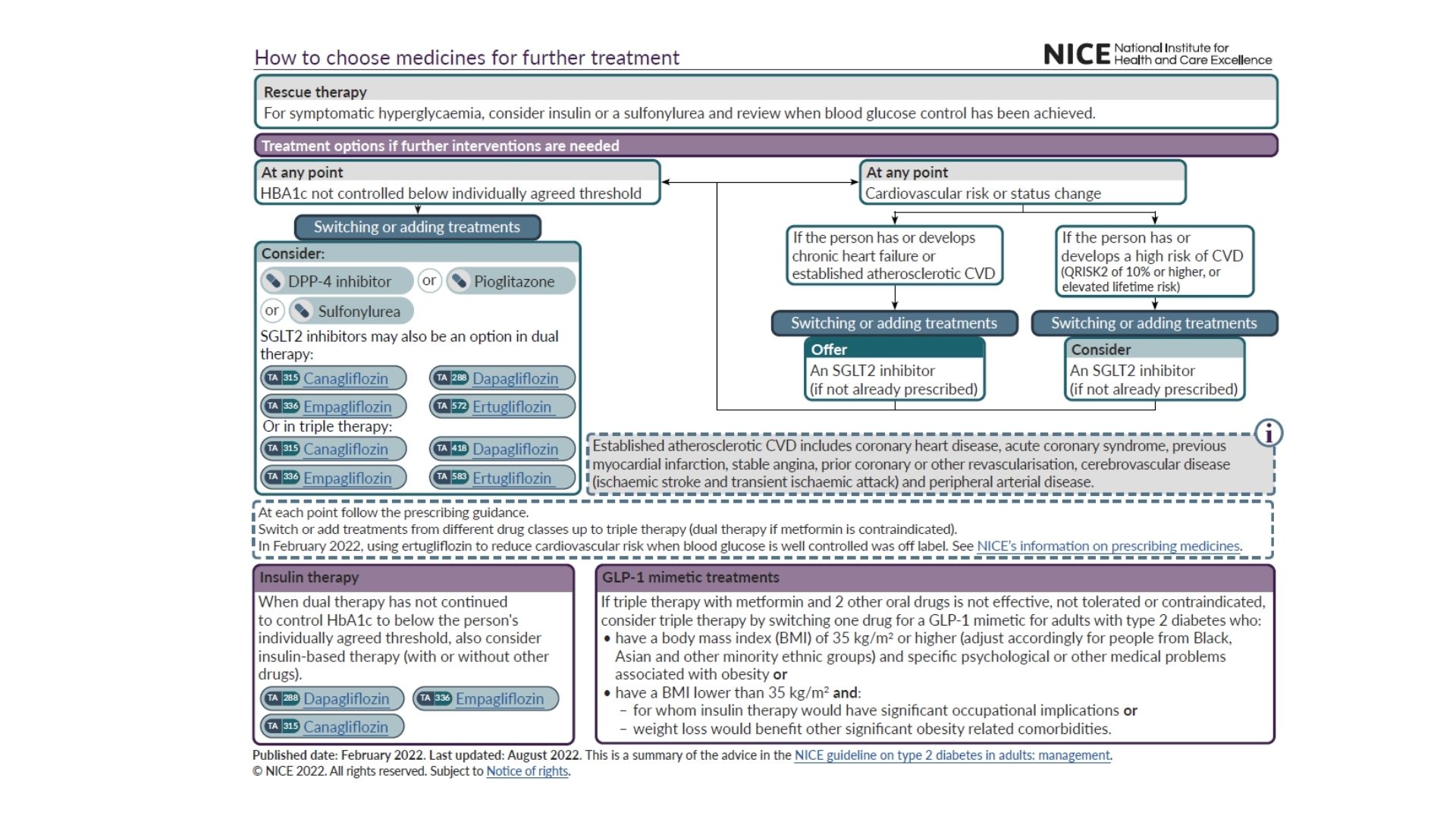
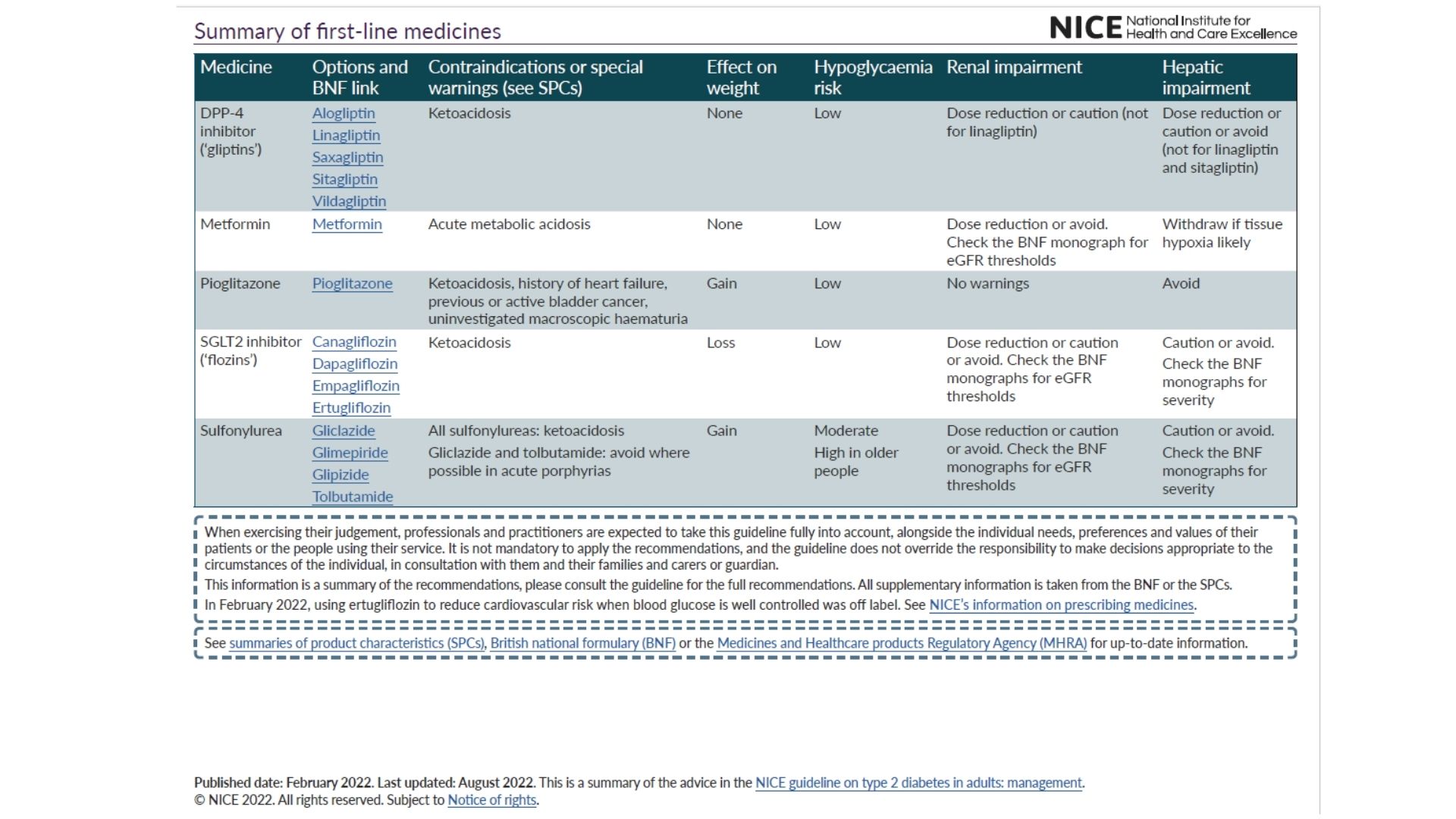
These deeper layers are not addressed in standard ICMR/NICE guidelines.
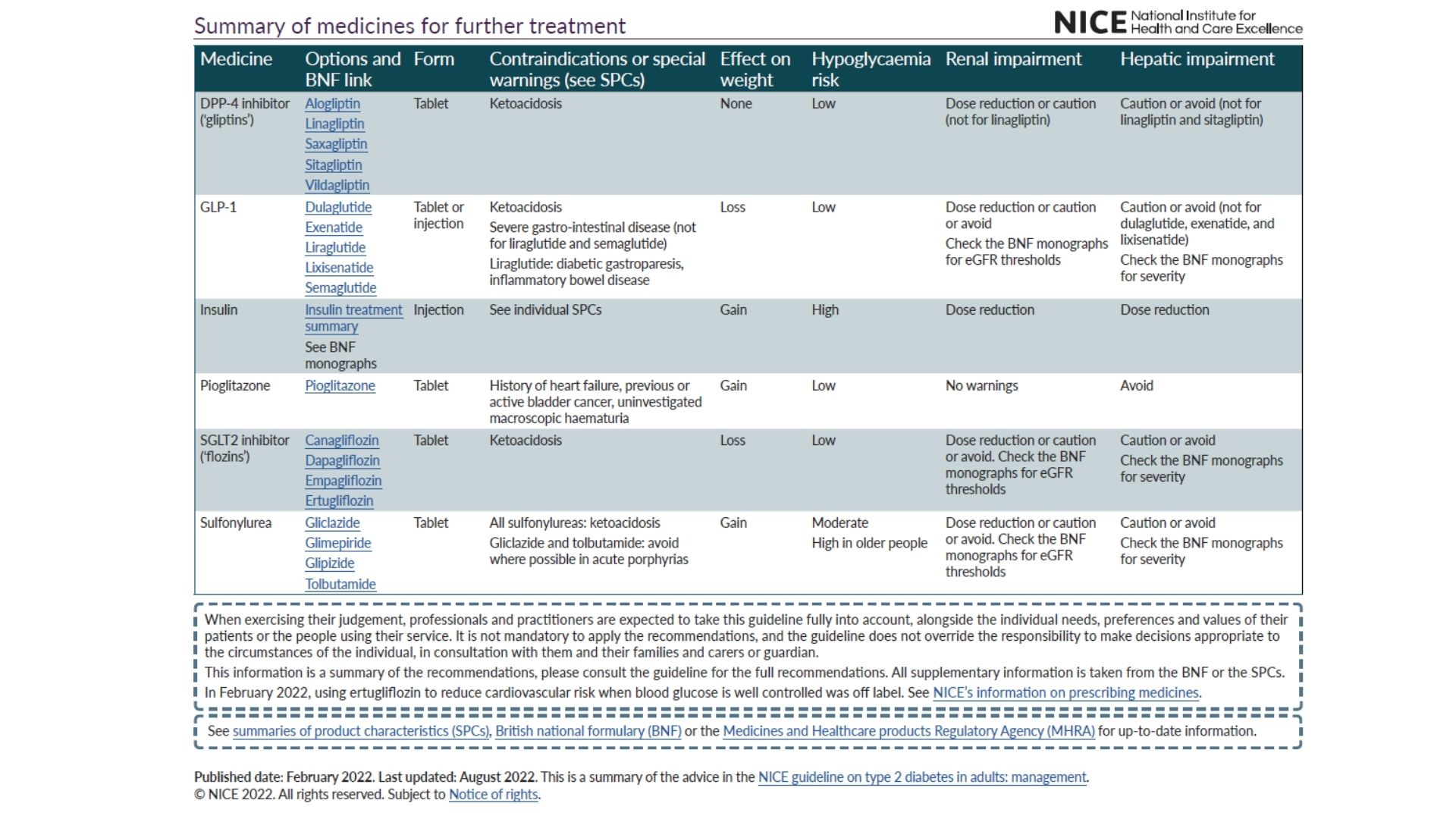
Where Traditional Approaches Fall Short
End-stage progression despite optimal therapy
Even with perfect glycemic control, patients continue to progress with neuropathy, nephropathy, retinopathy, or heart failure.
Multi-organ metabolic collapse
Diabetic foot, severe neuropathy, kidney decline, and cardiac dysfunction often coexist — but guidelines treat them separately.
Frailty & treatment intolerance
Escalation of insulin or combination therapy becomes unsafe or ineffective in elderly or multi-morbid patients.
PRISM: A Systems-Driven Clinical Framework
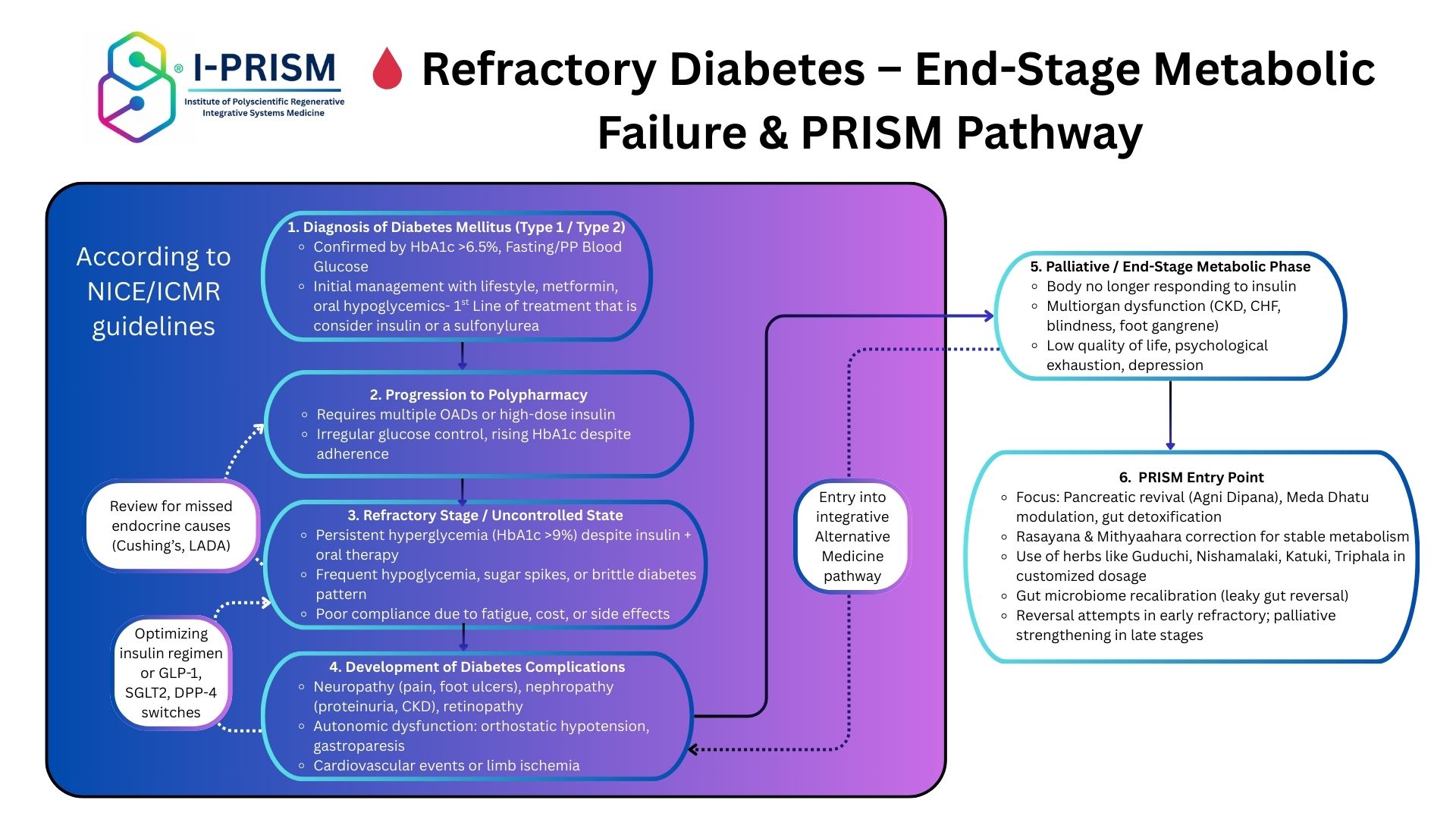
Why PRISM Works When Guidelines Stop
PRISM goes beyond glycemic control by mapping the entire metabolic ecosystem behind diabetes progression:
- Inflammatory drivers
- Autonomic dysfunction
- Microbiome–metabolic interactions
- Microvascular failure
- Immune–metabolic loops
- Phenotype patterns that shape disease expression
This approach enables deeper stratification, better prioritization, and more predictable improvement in complex cases.