Nephrology
Kidney Diseases: A Guide for the Common Man
Introduction
Kidney disease refers to damage or impairment of the kidneys, leading to reduced filtration and removal of waste/excess fluids from the body, potentially causing serious health issues. In this article, we aim to provide information on the causes of kidney diseases, some types of kidney diseases, and available treatments.
What are Kidney Diseases
Kidneys, which are bean-shaped organs located just below the ribcage, are essential for excreting harmful wastes and excess fluid from the body. These are also beneficial to the body’s electrolyte equilibrium.
When the kidney’s ability to remove wastes from the body is reduced, it may indicate that the kidneys have begun to fail. This ability may deteriorate with time, leading to a variety of kidney-related diseases. These conditions can be acute or chronic. Left untreated, kidney diseases can lead to kidney failure, necessitating dialysis or transplantation for survival. Early diagnosis and management are crucial for preventing severe complications.
Types of Kidney Diseases

Chronic kidney disease
Long-term kidney damage affecting filtration and waste removal.

Nephritis
Inflammation of kidney tissue causing pain and dysfunction.

Nephrotic Syndrome
Kidney disorder causing protein leakage and swelling.

Urinary tract infections
Bacterial infections in the urinary system, often causing discomfort.

Urolithiasis
Formation of urinary tract stones, leading to painful blockages.
Common Symptoms of Kidney Diseases

Fatigue
Kidneys reduced function leads to anemia, causing fatigue due to lower oxygen-carrying red blood cells.

Swelling (Edema)
Kidneys weakened filtration results in fluid build-up, leading to edema in the limbs and face.

Shortness of breath
Anemia and fluid retention cause oxygen deprivation and difficulty breathing.

Changes in urination
Kidney damage disrupts urine regulation, causing frequency, colour, and volume variations in urine.

High blood pressure
Kidneys play a role in blood pressure regulation; dysfunction can lead to hypertension.

Nausea and vomiting
Accumulation of waste products triggers gastrointestinal distress.

Itching and dry skin
Buildup of waste in the blood can lead to skin irritation and itching.

Muscle Cramps
Electrolyte imbalances due to kidney issues can cause muscle cramps.

Dizziness and trouble concentrating
Anemia and toxin build-up can affect brain function, leading to these symptoms.
Causes of Kidney Diseases

Diabetes
Prolonged high blood sugar levels damage the kidneys filtration units, causing diabetic nephropathy.
Hypertension
Persistent high blood pressure strains blood vessels, harming the kidneys filtering capabilities over time.

Glomerulonephritis
Inflammatory conditions damage the glomeruli, affecting filtration and causing kidney inflammation.
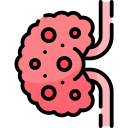
Polycystic Kidney Disease
Genetic disorder causing fluid-filled cysts to form in the kidneys, impairing their function.

Infections
Bacterial or viral infections can harm kidney tissue, leading to acute or chronic kidney disease.

Medications
Certain drugs and toxins may damage the kidneys, resulting in drug-induced nephrotoxicity.

Kidney Stones
Crystal buildup in the urinary tract can obstruct urine flow and damage kidney tissue.

Autoimmune Disorders
Conditions like lupus or vasculitis trigger the immune system to attack the kidneys.
Dehydration
Insufficient fluid intake can strain the kidneys, potentially leading to acute kidney injury.

Understanding Kidney Diseases in Ayurveda
According to Ayurveda, kidney disease occurs due to an imbalance in the body’s doshas, primarily related to the vital elements of Vata, Pitta, and Kapha. Imbalances in these doshas can affect the functioning of the kidneys and their ability to filter waste and maintain overall health. Poor dietary habits, toxins, stress, and inadequate hydration are believed to contribute to dosha imbalances, ultimately leading to kidney problems. Let’s delve into this perspective
Treatment and Management
Treatment options for kidney diseases aim to alleviate symptoms and improve quality of life. These can include:
Hemodialysis
This procedure involves running blood through a hemodialyzer (artificial kidney machine) to remove waste, chemicals, and extra fluid, before returning it to the body.
Kidney transplant
This procedure involves removing a damaged kidney and replacing it with a matching donor kidney.
Palliative Care provided by SGP’s PRISM is an important aspect of disease management and focuses on improving the quality of life for individuals living with kidney disease.
Symptom management
Palliative Care provided by SGP’s PSA aims to alleviate symptoms of pain, nausea, tiredness, and difficulty breathing through the use of medication, physical therapy, etc.
Emotional and psychological support
Counselling, therapy, and support groups assist individuals and their families in managing the psychological and emotional consequences of disease diagnosis and treatment.
Supportive care
Palliative care teams collaborate with healthcare providers to address the overall well-being of individuals, ensuring comprehensive support for physical, emotional, and social needs.