
Gestational Diabetes

Overview
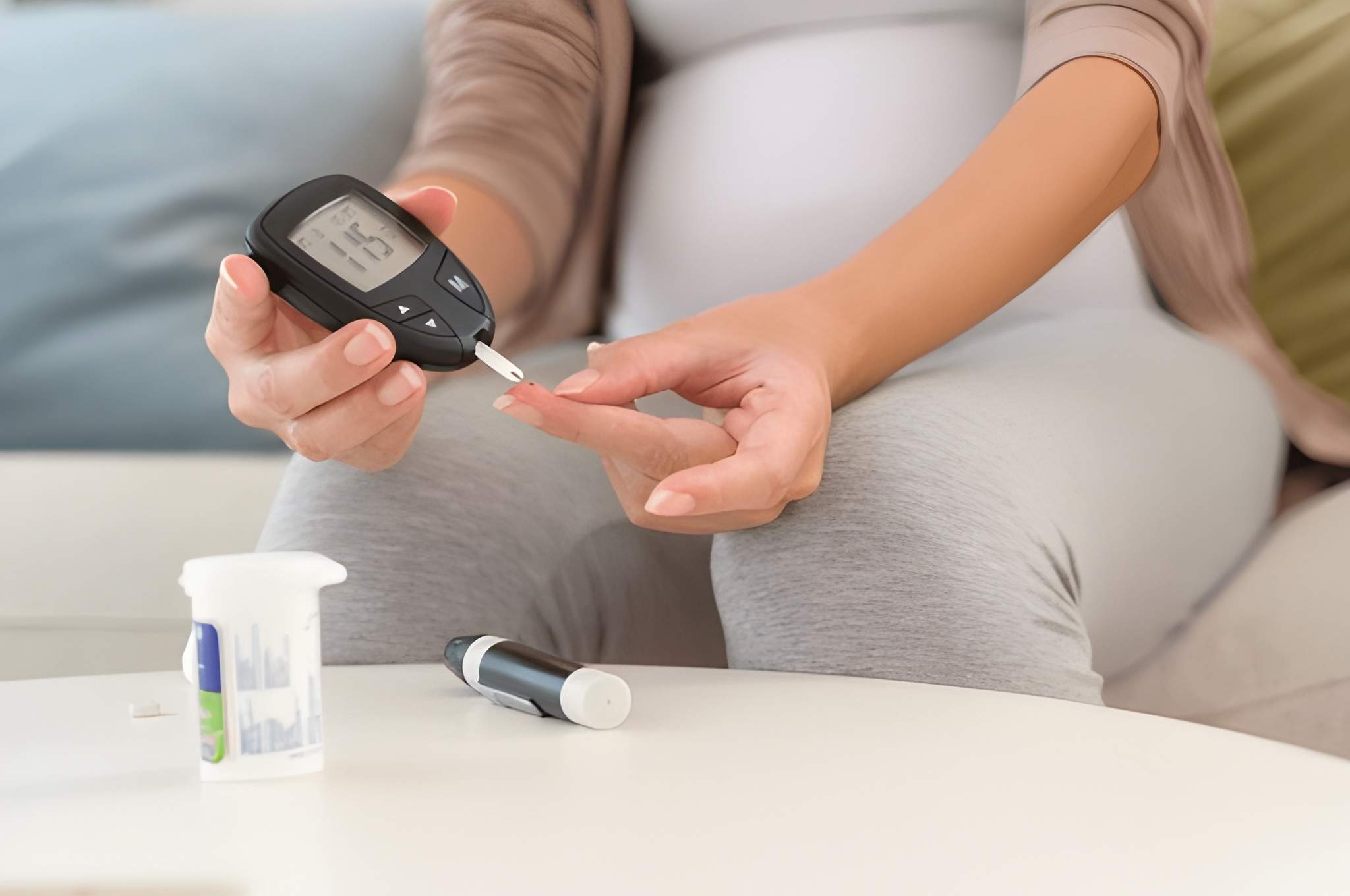
Gestational Diabetes is a type of diabetes that develops during pregnancy. It typically occurs in the second or third trimester. The condition results in elevated blood sugar levels that were not present before pregnancy. Hormonal changes during pregnancy can interfere with insulin function. While it often resolves after delivery, it requires careful monitoring. Uncontrolled gestational diabetes can affect both mother and baby. Most women experience no obvious symptoms. Early screening during pregnancy helps ensure timely diagnosis. Proper monitoring reduces potential complications. Post-pregnancy follow-up is recommended.
What Happens During Allergic Rhinitis?
Pregnancy hormones can cause insulin resistance. As a result, glucose builds up in the bloodstream. The pancreas may not produce enough insulin to overcome this resistance. Elevated blood sugar levels develop during pregnancy and may affect fetal growth if not controlled.
Diagnosis
Screening is usually performed between 24–28 weeks of pregnancy. An oral glucose tolerance test measures the body’s response to sugar intake. Abnormal values confirm the diagnosis. Regular blood sugar monitoring follows confirmation.