
Gastroesophageal Reflux Disease (GERD)

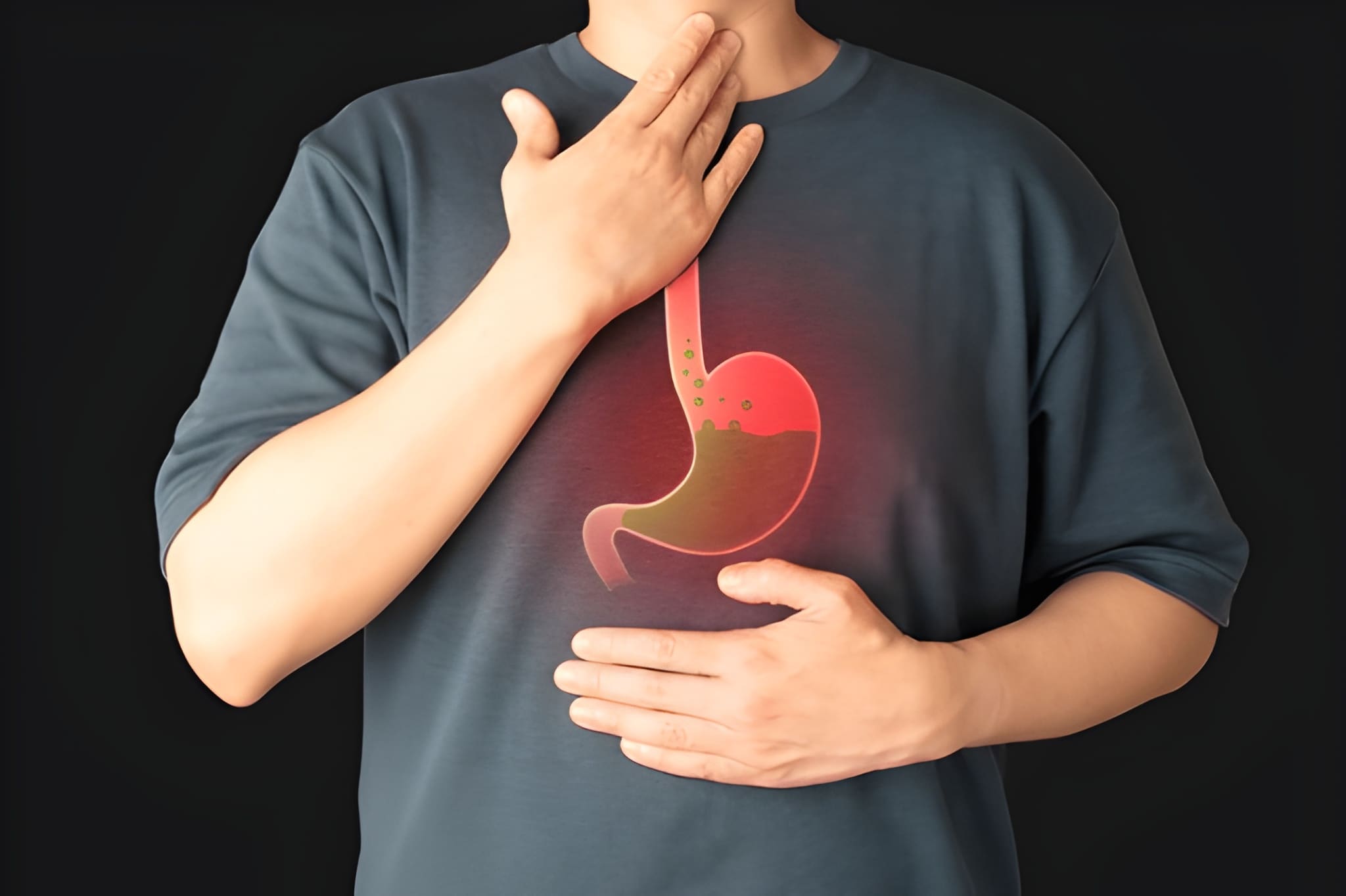
Overview
Gastroesophageal Reflux Disease (GERD) is a chronic digestive disorder in which stomach acid frequently flows back into the esophagus. The esophagus is the tube that connects the mouth to the stomach. Occasional acid reflux is common, but persistent reflux can irritate the esophageal lining. GERD may cause discomfort and long-term complications if not properly managed. The condition can occur at any age. Symptoms may range from mild heartburn to severe chest discomfort. Repeated acid exposure may damage the esophageal tissue. Over time, chronic inflammation can lead to structural changes. Lifestyle factors often influence symptom severity. Early recognition helps prevent complications.
What Happens During Allergic Rhinitis?
In GERD, the lower esophageal sphincter (LES) weakens or relaxes inappropriately. This allows stomach acid to move upward into the esophagus. The acidic content irritates the lining, causing burning sensation and inflammation. Repeated exposure may result in erosions or narrowing of the esophagus.
Diagnosis
Diagnosis is based on symptom history and clinical evaluation. In persistent cases, endoscopy may be performed to assess esophageal damage. pH monitoring tests measure acid levels in the esophagus. Imaging or motility tests may be recommended in selected cases.