
Alopecia
Overview
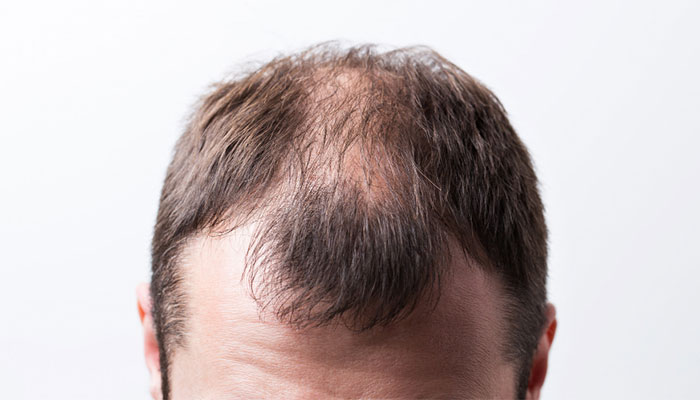
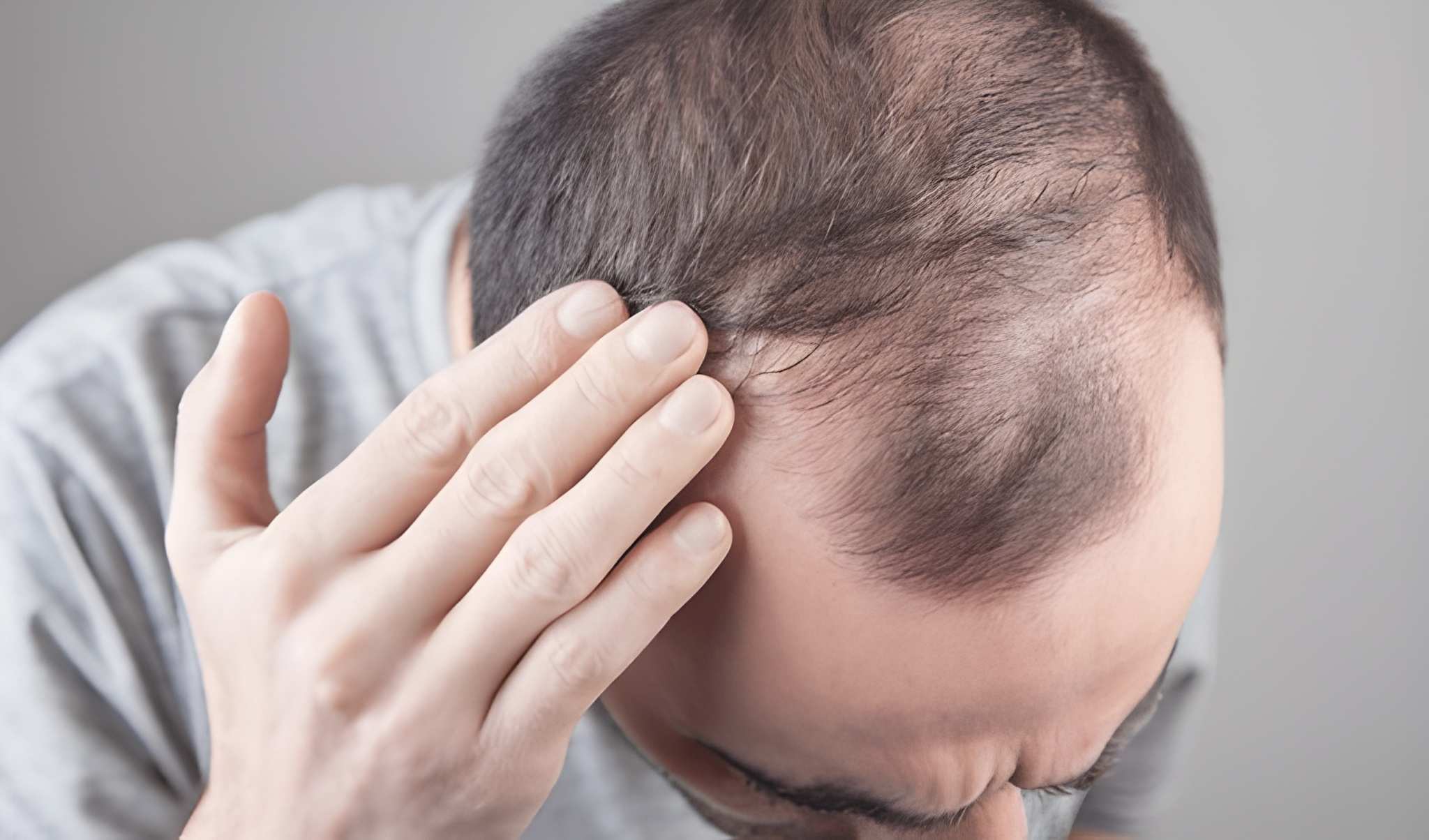
Alopecia refers to hair loss from the scalp or other parts of the body. It may occur gradually or suddenly, depending on the type. Hair loss can be partial or complete. Some forms are temporary, while others may be permanent. Alopecia may affect individuals of any age or gender. It can have genetic, hormonal, or autoimmune associations. The condition may impact self-esteem and emotional health. Patterns of hair loss vary among individuals. Early assessment helps determine underlying causes.
What Happens During Allergic Rhinitis?
In certain types, such as alopecia areata, the immune system attacks hair follicles. This disrupts normal hair growth cycles. As follicles shrink or become inactive, hair falls out. In other forms, hormonal changes may shorten the hair growth phase.
Diagnosis
Diagnosis involves scalp examination and assessment of hair pattern. Dermoscopy may be used to evaluate follicles. Blood tests may help identify hormonal or autoimmune causes. In rare cases, a scalp biopsy is performed.