
Coronary artery disease

Overview
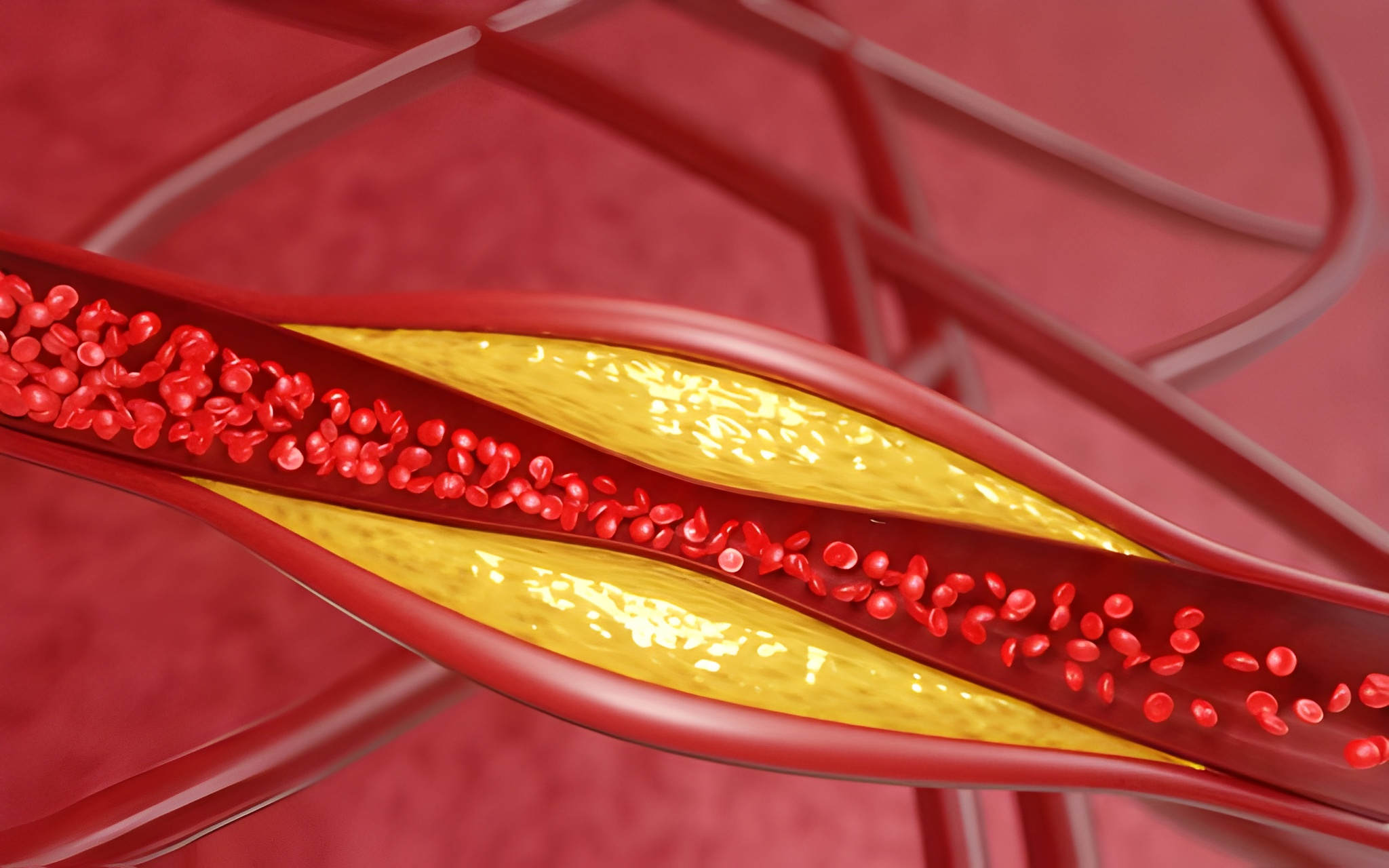
Coronary Artery Disease is a common heart condition that occurs when the coronary arteries, which supply blood to the heart muscle, become narrowed or blocked. This usually happens due to the buildup of fatty deposits along the artery walls. As blood flow to the heart decreases, the heart muscle may not receive enough oxygen and nutrients. CAD is one of the leading causes of heart attacks worldwide. The condition may develop gradually over many years. Some individuals may not notice symptoms until the blockage becomes significant. Reduced blood supply can cause chest discomfort and reduced exercise tolerance. If untreated, it may lead to serious complications. Early detection plays a key role in preventing heart damage. Lifestyle factors and underlying health conditions can influence disease progression.
What Happens During Allergic Rhinitis?
During CAD, fatty deposits accumulate inside the coronary arteries, forming plaques. These plaques narrow the artery and restrict blood flow. When the heart requires more oxygen, such as during physical activity, the narrowed arteries may not supply enough blood. This can cause chest pain (angina). If a plaque ruptures, a blood clot may form and completely block the artery, resulting in a heart attack. Prolonged lack of oxygen can permanently damage heart muscle tissue.
Diagnosis
Diagnosis typically includes a detailed medical history and physical examination. Electrocardiogram (ECG) helps detect abnormal heart rhythms or signs of reduced blood flow. Stress testing evaluates heart function during exertion. Imaging studies such as echocardiography or coronary angiography may be used to assess artery blockages. Blood tests may also help evaluate cardiac markers.